Spatial Computing in Casinos: AR Tables and Volumetric Dealers
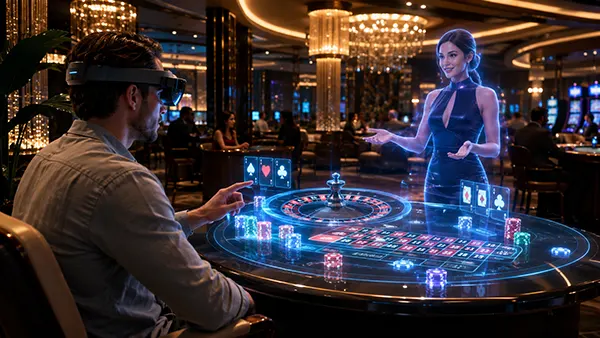
Spatial computing can move casino games beyond a flat screen by placing tables, cards and hosts within the player’s surroundings. In 2026, the format is still developing, but existing AR games show how digital effects can support familiar casino play.
How AR Tables Could Change Casino Play
An AR table could appear on a desk while the real room remains visible. Players may move virtual chips, view cards and check results through hand gestures. Clear confirmation would still be needed before each wager.
Until spatial formats become widely available, most players will continue to use familiar browser-based casino sites that organise games into clear categories and work across common devices. A relevant example is Nolimitway bonus, a convenient online casino website with a broad catalogue of slots, live dealer games, roulette and card titles. AR technology could build on this familiar model by adding more natural controls and a stronger sense of presence without making navigation unnecessarily complicated.
Current live games provide an early preview. Playtech’s Adventures Beyond Wonderland combines a revolving studio with augmented scenery, while Evolution uses AR in Crazy Time and Prosperity Tree Baccarat. Both add digital elements without replacing the presenter.
What Players Could See and Control
A spatial blackjack table might keep cards, balance details and rules within one view. Roulette statistics could sit beside the wheel, and the table could be resized or moved. These changes affect presentation, not winning chances.
Shared sessions may feel more natural. Several users could see the same table from different positions and hear one dealer, while still using separate verified accounts and making their own betting decisions.
Comfort will remain important. Heavy headsets, small text or unstable objects can make sessions tiring. Good design needs readable controls, steady visuals and a simple return to an ordinary screen.

Volumetric Dealers as the Next Step
A volumetric dealer is recorded as a moving three-dimensional person rather than shown inside a fixed video frame. The host could appear beside a virtual table and remain visible from different angles.
This method is possible but not yet common in regulated online casinos. It requires several cameras, controlled lighting and reliable data transfer. The dealer, cards, bets and results must remain synchronised.
Spatial devices already support 3D objects, immersive rooms and hand input. Wider casino use still depends on cost, device availability and stable performance. AR around standard live video is currently more practical.
Rules and Player Protection Must Stay Clear
Immersive visuals do not remove an operator’s responsibilities. Rules, balances, bet limits and result histories must remain easy to find. Deposit limits, reminders, time-outs and self-exclusion tools should also stay accessible.
A headset can make time less noticeable, so visible clocks and optional timers are useful safeguards. Effects should explain the action rather than make an ordinary result seem more valuable or likely.
In 2026, AR-enhanced live games are established, while fully volumetric dealers remain a developing idea. The most realistic near-term format combines real presenters, restrained 3D effects and familiar controls, with clarity taking priority over spectacle.